
LGES doubles down on Lopal LFP CAM supply: background and implications
The LGES/Lopal deal highlights the urgency with which US LiB makers feel they must respond to fast rising demand for ESS cells. They cannot wait for fully ex-China LFP CAM supply chains to be built; instead, they must work with existing options and try to adapt these in the short-to-medium term to stay compliant with sourcing rules.
The missing middle: US LFP CAM capacity
While Section 45X manufacturing credits and surging data-centre storage demand have successfully catalysed U.S. LFP cell manufacturing, the domestic supply chain faces a critical midstream failure: the United States produces virtually no domestic cathode active material (CAM), leaving gigafactories almost entirely dependent on a Chinese market that commands roughly 98% of global LFP output.
Zimbabwe’s Lithium Export ban: background and implications
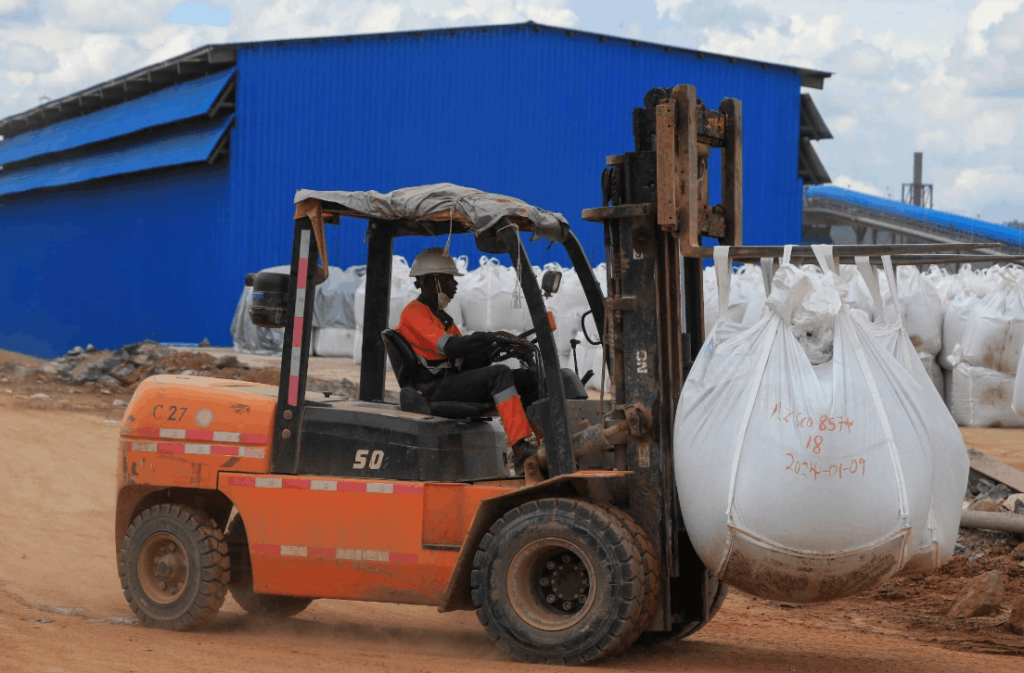
In late February, Zimbabwe suspended exports of lithium concentrates in a bid to strengthen its domestic Li value chain and curb illegal shipments. What are the implications of the move?
How will minimum pricing for Chinese EVs impact the EU market?
EU authorities have agreed in principle with the idea of introducing minimum pricing on BEVs imported from China. The decision, announced in mid-January, is set to reverse tariffs, ranging between about 18-45% depending on the OEM, that were introduced on Chinese-made BEVs in 2024. What is behind the move and what impact will it have?
The lithium derivatives landscape: realities and prospects
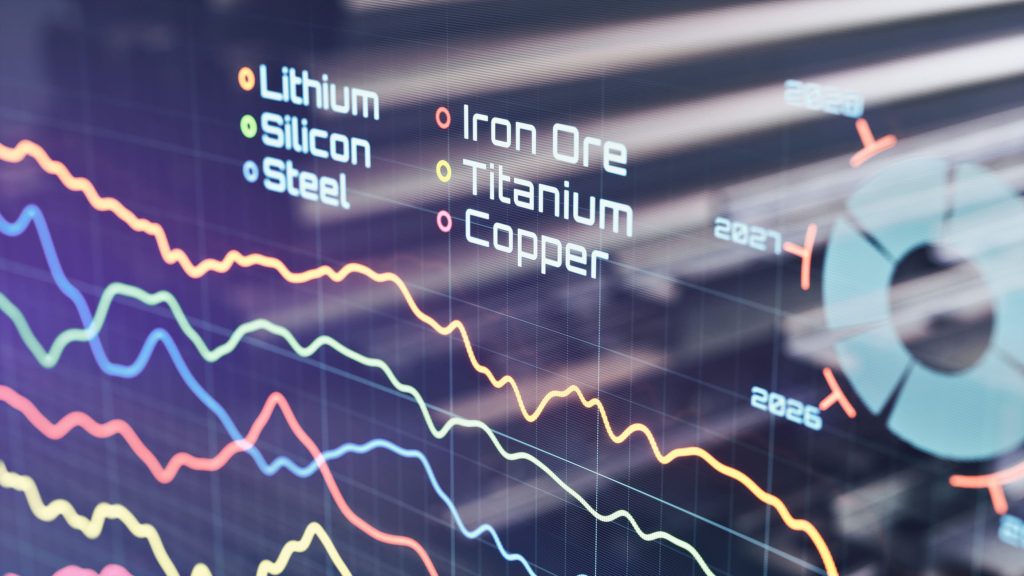
For much of 2025, Li prices were languishing near US$10,000/t – a stark contrast to previous years when Li prices were trading multiples above marginal cost. The end of 2025 however saw new volatility drivers enter the market: uncertain prospects for Chinese lepidolite mines, higher LFP cathode utilisation rates and a major demand pivot by western cellmakers. With volatility coming back to the Li market, where do things stand with ex-China Li pricing mechanisms and the growing interest in paper markets to manage price risk?
Learning it the hard way: cost discipline and the Australian Li market
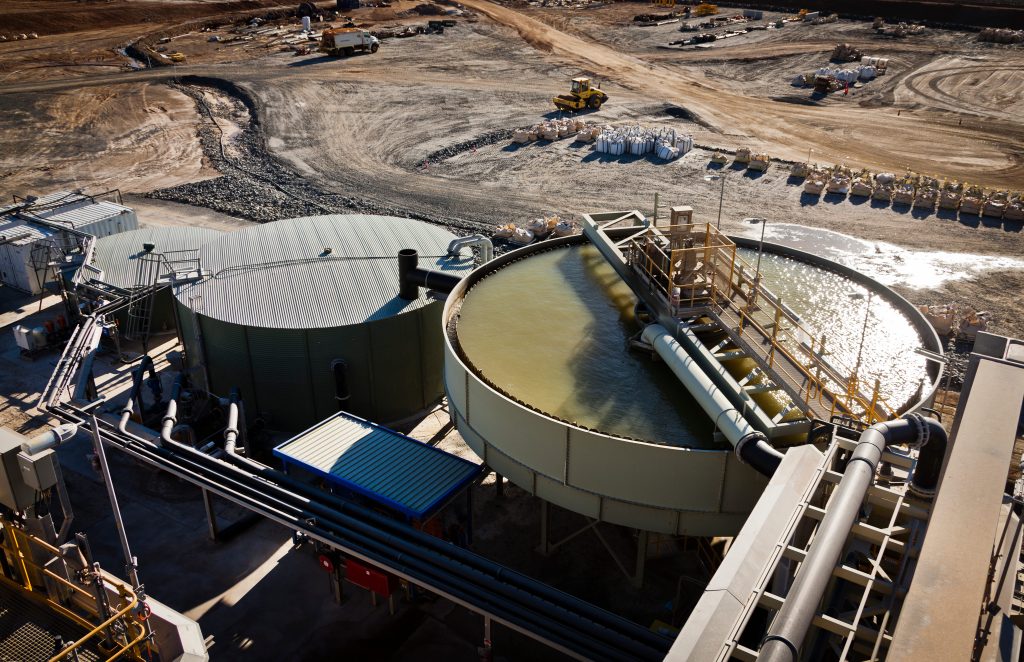
Spodumene prices are now at their highest level (~$1,300/t FOB Australia) since late 2023, having steadily risen from the bottom of the pricing cycle in June 2025. This increase in prices is overshadowed, however, by the extremity of the cycle that preceded it: from a peak of almost $8,000 in late 2022, spot prices collapsed to <$1,000/t roughly one year later. Australian lithium miners have spent much the last two years coming to terms with that swing in pricing. How have Australia’s hard rock producers adjusted?